
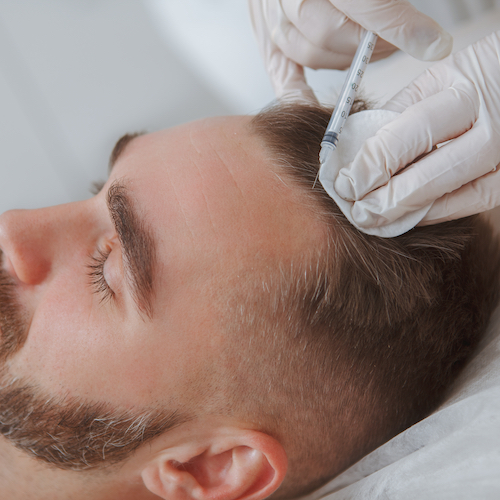

Hair loss is no longer just a cosmetic concern — it affects confidence, personality, and even professional presence. As an SEO manager with 20 years of experience in ranking healthcare websites, I can confidently say that “hair transplant”, “hair transplant cost in India”, and “best hair transplant clinic near me” are among the most searched keywords in the aesthetic medical industry.
If you’re considering a hair transplant, this complete guide will help you understand everything — from procedure types to cost, recovery, risks, and results.
What is Hair Transplant?
A hair transplant is a minimally invasive surgical procedure where healthy hair follicles are extracted from a donor area (usually the back or sides of the scalp) and implanted into bald or thinning areas.
It is a permanent and natural-looking solution for:
-
Male pattern baldness
-
Female hair thinning
-
Receding hairline
-
Crown baldness
-
Beard & eyebrow restoration
The procedure uses your own hair follicles, so results look completely natural.
Types of Hair Transplant Techniques
There are two globally accepted advanced techniques:
1️⃣ FUE – Follicular Unit Extraction
In FUE, individual hair follicles are extracted one by one using a micro punch tool and implanted in bald areas.
Advantages:
-
No stitches
-
Minimal scarring
-
Faster recovery
-
Natural hairline design
-
Ideal for short hairstyles
FUE is currently the most preferred method in India.
2️⃣ FUT – Follicular Unit Transplantation
In FUT, a strip of scalp is removed from the donor area, and hair follicles are extracted from it.
Advantages:
-
Suitable for large bald areas
-
Slightly lower cost compared to FUE
However, it leaves a linear scar and requires stitches.
Who is the Right Candidate?
You are a good candidate if:
✔ You have stable hair loss
✔ Adequate donor hair available
✔ Good overall health
✔ Realistic expectations
Hair transplant works best for androgenetic alopecia (male pattern baldness).
Step-by-Step Hair Transplant Procedure
-
Consultation & Hairline Design
The doctor examines scalp condition and designs a natural hairline. -
Donor Area Preparation
Local anesthesia is applied. -
Graft Extraction (FUE/FUT)
Hair follicles are extracted carefully. -
Recipient Area Creation
Tiny channels are created in the bald area. -
Graft Implantation
Extracted follicles are implanted at the correct angle and density.
The procedure usually takes 6–8 hours, depending on the number of grafts.
Hair Transplant Cost in India (2026)
Hair transplant cost depends on:
-
Number of grafts required
-
Technique used (FUE/FUT)
-
Clinic reputation
-
Doctor’s experience
-
City location
Average Cost Per Graft:
₹25 – ₹60 per graft
Estimated Total Cost:
-
2000 grafts: ₹50,000 – ₹1,20,000
-
3000 grafts: ₹75,000 – ₹1,80,000
Metro cities may charge more.
Hair Transplant Recovery Timeline
Day 1–3:
-
Mild swelling
-
Slight redness
Week 1:
-
Small scabs fall off
Month 1:
-
Shock loss (temporary shedding)
Month 3–4:
-
New hair growth begins
Month 6:
-
Visible improvement
Month 12:
-
Full natural results
Patience is key — final results take 9–12 months.
Benefits of Hair Transplant
✔ Permanent solution
✔ Natural hair growth
✔ Improved confidence
✔ No daily maintenance
✔ Safe & proven procedure
When performed by an experienced surgeon, results are long-lasting and undetectable.
Are There Any Risks?
Like any minor surgical procedure, risks may include:
-
Temporary swelling
-
Mild pain
-
Infection (rare if done in sterile setup)
-
Poor results if done by inexperienced technician
Choosing a qualified doctor is critical.
Common Myths About Hair Transplant
Myth 1: It’s very painful
👉 Reality: Done under local anesthesia. Minimal discomfort.
Myth 2: Results look fake
👉 Reality: Modern techniques create natural density and angle.
Myth 3: Hair falls again
👉 Reality: Transplanted hair is permanent.
How to Choose the Best Hair Transplant Clinic?
Before selecting a clinic, check:
-
Doctor’s qualification
-
Before-after results
-
Hygiene standards
-
Genuine patient reviews
-
Whether procedure is doctor-supervised
Avoid cheap, technician-based clinics offering unrealistic discounts.
Hair Transplant vs PRP – What’s the Difference?
| Hair Transplant | PRP Therapy |
|---|---|
| Permanent solution | Temporary improvement |
| Surgical | Non-surgical |
| Best for bald areas | Best for thinning hair |
Many clinics combine both for better results.
Final Words
Hair transplant is one of the most effective and permanent solutions for baldness. With advanced FUE technology, the procedure is safe, minimally invasive, and delivers natural-looking results.
However, success depends largely on the surgeon’s expertise and clinic standards. Always prioritize quality over cost.
If you’re struggling with hair loss, consult a certified hair transplant specialist and take the first step toward regaining your confidence.