
Pigmentation
& Dark Spot
Correction
Pigmentation
& Dark Spot
Correction
Reveal a luminous, even-toned complexion with targeted treatments that effectively diminish melasma, sun spots, dark patches, and uneven skin tone at the source.
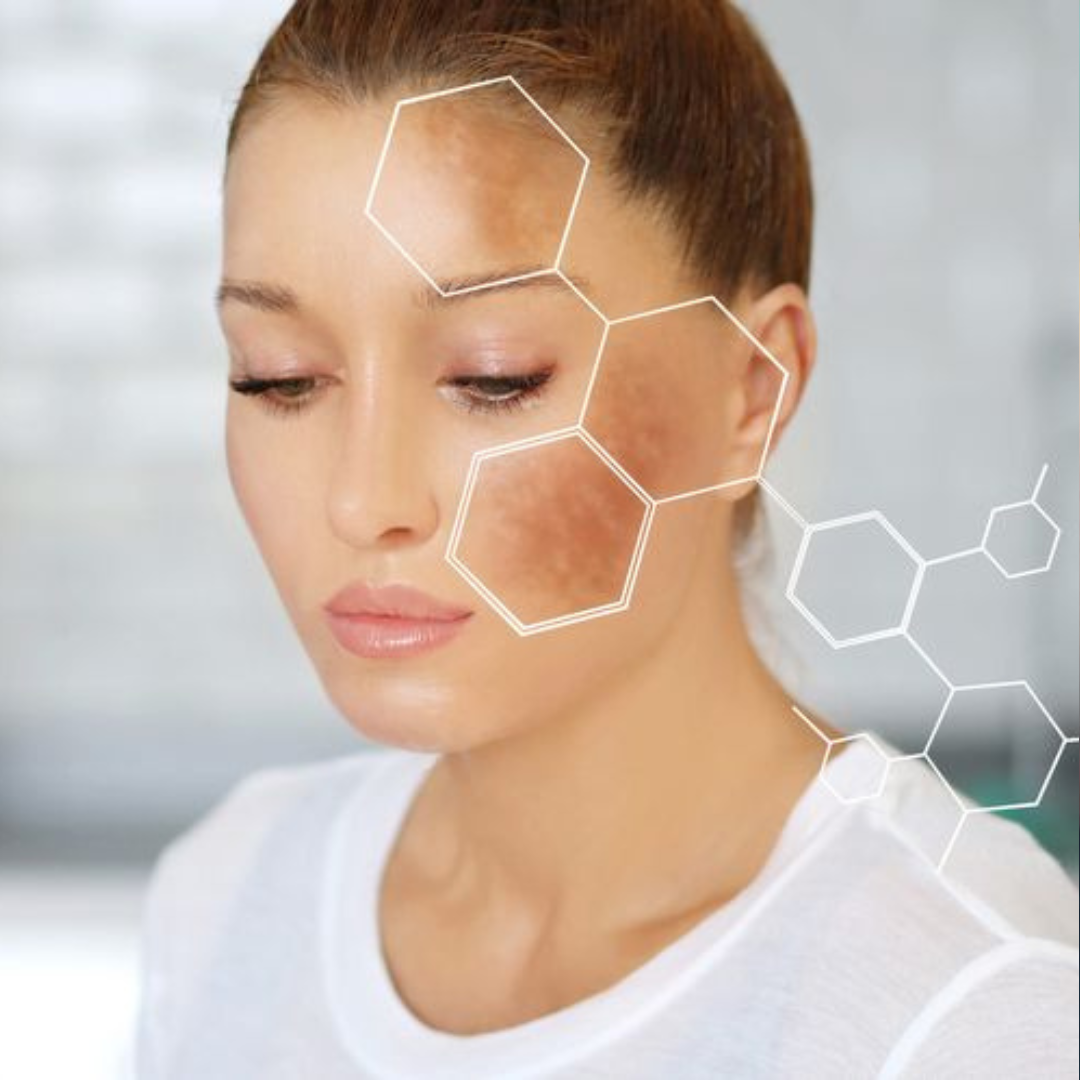
Why Uneven Skin Tone Occurs
Skin pigmentation disorders occur when melanocytes (pigment-producing cells) either overproduce or underproduce melanin — the pigment responsible for skin, hair, and eye colour. Hyperpigmentation, which includes melasma, sun damage, post-inflammatory hyperpigmentation (PIH), and age spots, is among the most common concerns seen in dermatology.
Melasma, characterised by brownish or greyish patches typically on the face, is particularly prevalent in South Asian women due to higher melanocyte activity and hormonal sensitivity. Sun exposure, hormonal changes (pregnancy, contraceptive pills), heat, and genetic predisposition all trigger or worsen pigmentation.
Effective pigmentation treatment requires a multi-modal approach that targets melanin production at different levels of the skin, protects against re-stimulation, and promotes cellular turnover for sustained, visible results.
Multi-Modal Pigmentation Correction
Our dermatologists design a comprehensive pigmentation treatment protocol combining the most advanced modalities available: Q-switched Nd:YAG laser therapy, medical-grade chemical peels (glycolic, kojic, TCA, lactic), tranexamic acid mesotherapy, and depigmenting topical regimes.
The Q-switched laser targets melanin deposits deep within the skin, shattering them into microscopic particles that the body’s immune system naturally eliminates. Chemical peels accelerate epidermal cell turnover, removing surface pigmentation while stimulating collagen. Mesotherapy delivers brightening actives directly into the dermis for maximum impact.
Every protocol is tailored to the type of pigmentation (epidermal, dermal, or mixed), severity, skin type, and lifestyle factors — ensuring safe, effective, and sustainable brightening results without causing rebound hyperpigmentation.
The Pigmentation Treatment Process
01
A detailed assessment using Wood’s lamp, dermoscopy, and clinical evaluation determines the type (melasma, PIH, sun damage), depth (epidermal vs dermal), and pattern of pigmentation to guide the most effective treatment pathway.
02
A personalised multi-modal protocol combining laser, chemical peels, and/or mesotherapy is designed. A pre-treatment topical preparation phase (2–4 weeks of depigmenting actives) may be recommended to prime the skin.
03
Medical-grade peeling agents are carefully applied and timed based on skin type and tolerance. The peel promotes accelerated desquamation of pigmented epidermal cells, revealing fresh, brighter skin beneath.
04
Q-switched Nd:YAG laser toning delivers photoacoustic energy that fragments melanin granules in the dermis and epidermis. Multiple low-fluence passes improve tone diffusely with minimal downtime.
05
Microinjections of tranexamic acid, glutathione, vitamin C, and kojic acid are delivered into the dermal layer for targeted depigmentation — particularly effective for deep, stubborn melasma patches.
06
A customised topical regime (brightening serums, retinoids, niacinamide, SPF 50+) is prescribed to maintain and extend results, prevent recurrence, and support the skin’s long-term health.
Benefits of Professional Pigmentation Treatment
Professional treatments achieve dramatically superior results compared to over-the-counter products — targeting pigmentation at the dermal level where topicals simply cannot penetrate.
Beyond spot reduction, our treatments improve overall skin radiance, clarity, and tone uniformity for a genuinely healthier-looking complexion that glows from within.
Our protocols are specifically designed for darker Fitzpatrick skin types, which are more susceptible to post-inflammatory hyperpigmentation — ensuring safe brightening without triggering rebound pigmentation.
Whether it’s sun damage, melasma, post-acne marks, freckles, or age spots — our multi-modal approach is tailored to target the specific type and depth of your pigmentation concern.
Chemical peels and laser treatments stimulate collagen production alongside pigment reduction — improving skin texture, pore size, and firmness as a simultaneous benefit.
You receive an evidence-based home care regimen and lifestyle guidance to prevent re-pigmentation, ensuring your results are sustained and your skin remains consistently bright and even-toned.
Who Is This Treatment For?
- Individuals with melasma, chloasma, or hormonal pigmentation
- Those with sun damage, age spots, or freckles
- Patients with post-acne dark marks (PIH)
- Anyone with uneven, dull, or patchy skin tone
- Those who have experienced pigmentation from injury, rash, or inflammation
- Patients seeking overall skin brightening and radiance improvement
- Individuals who haven’t responded adequately to topical treatments alone
- Active acne, skin infections, or open wounds should be treated first
- Pregnant or breastfeeding patients should defer certain treatments
- Sun exposure between sessions must be strictly minimised for safety and efficacy
- Those on blood thinners or photosensitising medications need careful evaluation
- Isotretinoin use within the past 6 months may require a treatment pause period
- Post-treatment pigmentation can temporarily worsen before improving — perseverance is key