
Advanced Acne Scar Resurfacing
Acne Scar Treatment in India at Renaissance Clinic, Ghaziabad, offers the most advanced resurfacing solutions for all types of acne scars. Our expert dermatologists specialise in CO2 laser, RF microneedling, subcision, and CROSS technique — delivering visible, lasting results for patients across India.
Best Acne Scar Treatment in Ghaziabad
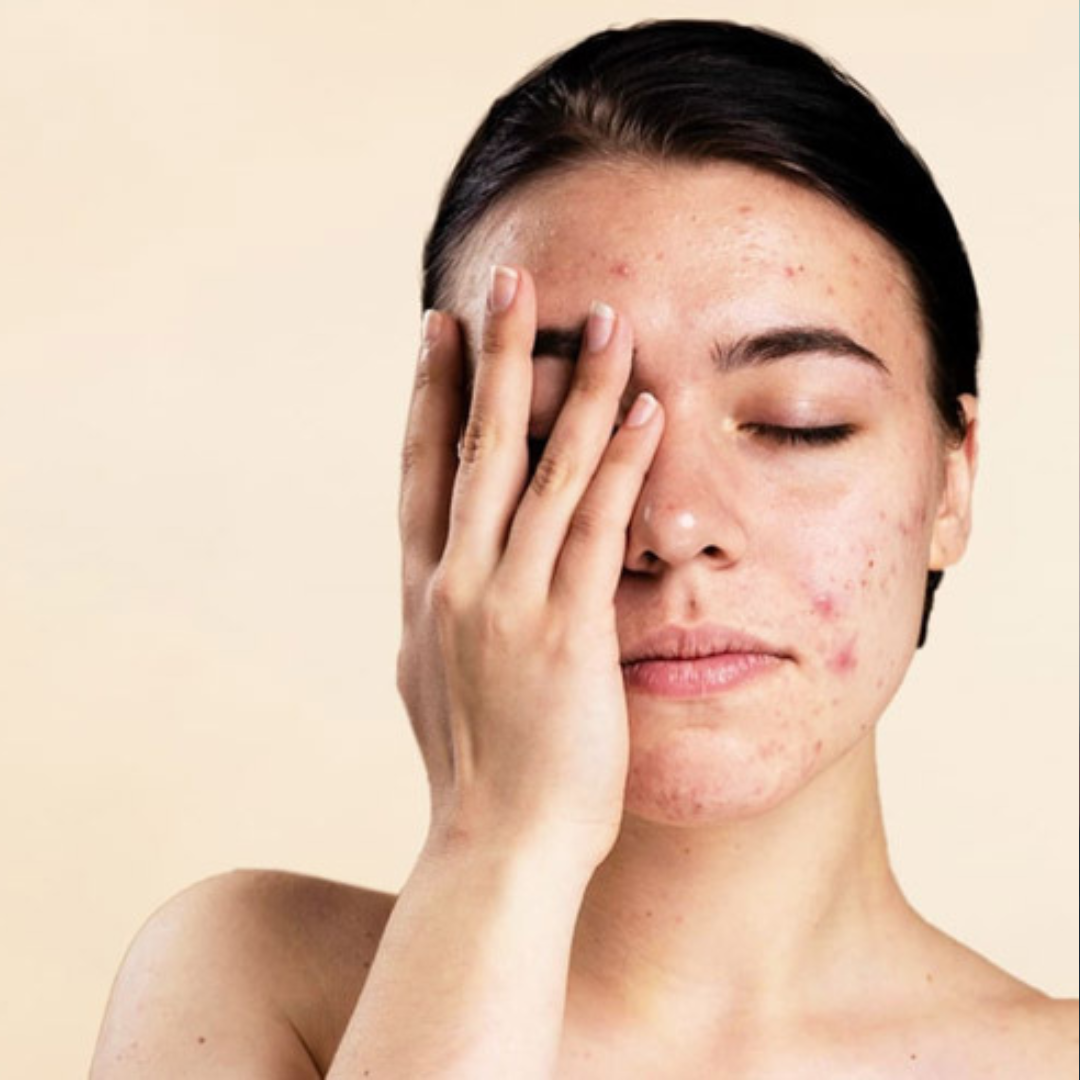
Why Choose Acne Scar Treatment in India at Renaissance Clinic?
Acne scars form when inflamed acne lesions damage the collagen matrix within the dermis. As the skin heals, it produces either too little collagen (atrophic/depressed scars) or too much (hypertrophic/raised scars). The type and severity of scarring vary greatly based on genetics, inflammation level, and how early acne was treated.
Atrophic scars — the most common type — include ice pick scars (deep, narrow, pitted), boxcar scars (broader, sharp-edged depressions), and rolling scars (shallow, undulating distortions). Each requires a specific, targeted treatment approach for optimal correction.
Effective acne scar treatment requires stimulating the body to remodel existing scar tissue and produce new, healthy collagen. Multiple modalities are often combined for comprehensive correction across different scar types, depths, and skin tones — and our clinic excels in creating bespoke combination protocols.
Multi-Modal Scar Correction
Fractional CO2 Laser: The gold standard for acne scar resurfacing. Micro-columns of laser energy create controlled wounds that trigger aggressive collagen remodelling and skin regeneration — dramatically improving scar depth and texture.
Micro-needling with RF (Radiofrequency): Combines the collagen-induction of micro-needling with the thermal remodelling of RF energy delivered at precise dermal depths — highly effective for rolling and boxcar scars with minimal downtime.
Chemical Reconstruction of Skin Scars (CROSS): High-concentration TCA applied precisely to individual ice pick and boxcar scars triggers a controlled inflammatory response that remodels the scar wall and raises the base.
Subcision: A minimally invasive technique using a fine needle to release fibrous scar tissue tethering the skin surface to deeper tissue — particularly effective for rolling scars.
The Acne Scar Treatment Process
01
Your acne scar treatment in India begins with a thorough assessment where our dermatologist classifies each scar type (ice pick, boxcar, rolling, hypertrophic, PIH) using clinical grading scales and dermoscopic analysis. Active acne must be fully controlled before scar treatment begins.
02
A tailored combination protocol is designed — often pairing fractional laser with subcision for rolling scars, CROSS for ice pick scars, RF micro-needling for boxcar scars, and depigmenting treatments for PIH simultaneously.
03
A 4–6 week topical priming phase may include retinoids, alpha-hydroxy acids, and depigmenting agents to optimise skin health, thin the stratum corneum, and reduce post-treatment hyperpigmentation risk.
04
Following numbing, the selected procedures are performed sequentially in a single session. Post-procedure soothing agents and occlusive barrier creams are applied. Sessions are typically 60–90 minutes depending on the protocol.
05
Post-laser downtime is 5–7 days of redness and skin shedding. RF micro-needling requires only 1–2 days of recovery. Detailed wound care instructions, medicated moisturisers, and SPF 50+ are provided.
06
Sessions are spaced 4–8 weeks apart to allow full healing between treatments. Most patients complete 3–6 sessions for comprehensive improvement. Annual maintenance sessions sustain collagen remodelling long-term.
Benefits of Advanced Acne Scar Treatment
Professional treatments achieve a depth of textural improvement that is simply impossible to replicate with topical skincare alone — remodelling the dermis at the level where scars actually form.
Our multi-modal approach addresses the full spectrum of acne scarring in a single personalised protocol — from deep ice pick craters and boxcar depressions to rolling scars and post-inflammatory pigmentation.
These treatments work with the body’s own wound-healing cascade — triggering natural collagen synthesis and cellular regeneration that rebuilds the skin’s structural matrix from the inside out.
Beyond scar correction, treatments simultaneously improve skin pore size, fine lines, uneven tone, oiliness, and overall radiance — delivering a comprehensive skin quality upgrade.
We specialise in acne scar treatment for Indian and South Asian skin, utilising carefully calibrated energy settings and evidence-based protocols that minimise the risk of post-inflammatory hyperpigmentation (PIH).
Acne scars can profoundly impact self-esteem. Our patients consistently report a transformative boost in confidence and quality of life following their treatment journey — results that go far beyond the skin.
Who Is This Treatment For?
- Individuals with atrophic acne scars (ice pick, boxcar, rolling types)
- Patients with hypertrophic or keloidal acne scars
- Those with significant post-acne dark marks (post-inflammatory hyperpigmentation)
- Patients whose acne is currently controlled or in remission
- Anyone dissatisfied with the skin texture and clarity left behind by past acne
- Individuals seeking comprehensive facial skin quality improvement
- Patients who have tried topicals with insufficient results
- Active, inflamed acne must be fully controlled before scar treatment begins
- Isotretinoin (Accutane) use within 6–12 months requires a treatment pause period
- Patients prone to keloid scarring require careful selection of treatment modality
- Darker skin types require conservative laser parameters to prevent PIH
- Realistic expectations are important — improvement is gradual over multiple sessions
- Strict sun protection before, during, and after treatment is non-negotiable